





Search Results for: specialty coffee rating

Yirgacheffe Coffee Grading | Is There a Big Difference Between G1 and G2 Yirgacheffe Single-Origin Beans? Must-Buy Light Roast Pour-Over Coffee Beans for Coffee Lovers
We know that coffee bean grading methods are usually based on the actual conditions of the growing country. Some are graded by bean size, such as Kenyan coffee; some by altitude, such as Blue Mountain coffee; and some by defect rate, such as Ethiopian coffee. As the gene pool of Arabica, Ethiopia has a wide variety of coffee varieties. [more…]
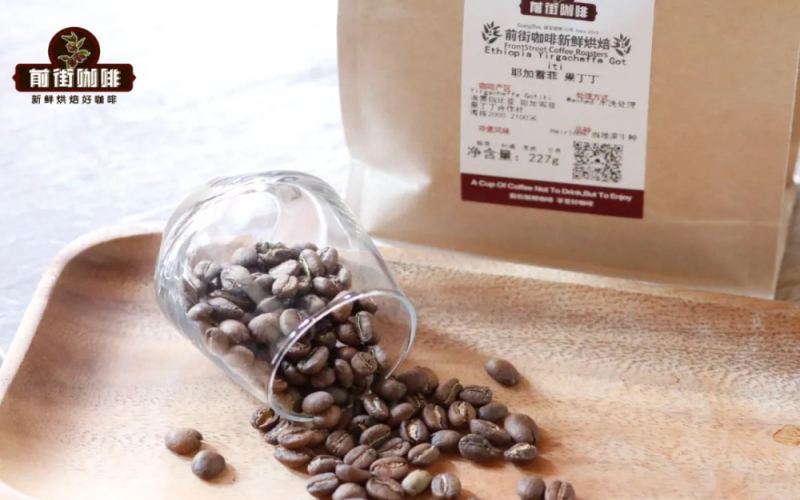
A Complete Guide to Ethiopia's Green Coffee Grading System: Yirgacheffe G1 vs. G2 Differences and Buying Guide
Ethiopia, as the genetic treasure trove of Arabica coffee, has a unique green bean grading system. Unlike Kenya, which grades by bean size, or Blue Mountain, which grades by altitude, Ethiopia primarily classifies grades based on defect rates and cupping scores. This article will systematically sort out the evolution of Ethiopia's old and new grading systems, provide an in-depth analysis of the specific standards for grades G1 through G9, and, using Yirgacheffe as an example, compare the actual differences between washed G1 and G2 in green bean appearance and flavor performance. It will also share Front Street Coffee's brewing parameters and tasting experience to help coffee enthusiasts fully understand the logic of Ethiopian coffee quality grading. [more…]
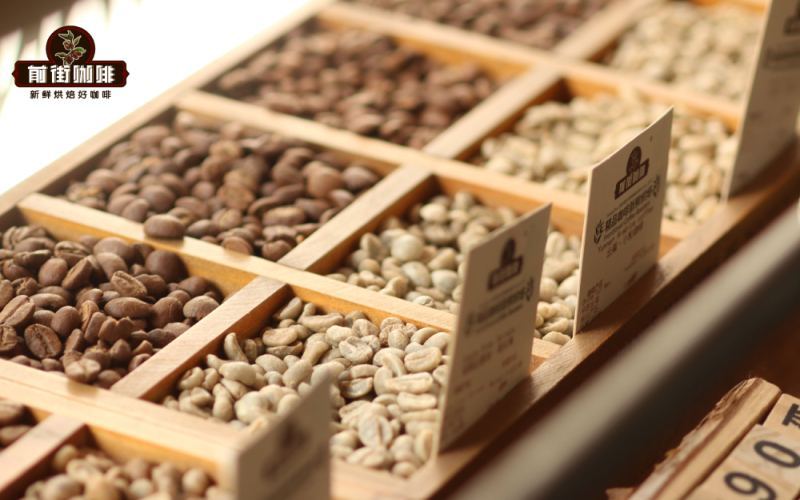
Yunnan Coffee Bean Grading System and Flavor Analysis: From Rating Standards to Front Street Specialty Recommendations
As an agricultural product, coffee inevitably varies in quality, so each producing region establishes a grading system to standardize quality and provide a reference for trading. Yunnan coffee currently follows the "Green Coffee Grade Inspection Standards" released in 2019, but self-assessed standards run rampant in the market, causing grades to become disconnected from flavor. This article will systematically sort out the grading criteria for Yunnan coffee, the commonly used international and domestic standards, the varietal evolution of Arabica coffee, and introduce Front Street Coffee's experimental cultivation and product recommendations in Yunnan, finally attaching practical brewing parameters to give you a comprehensive understanding of the current state and charm of Yunnan specialty coffee. [more…]

A Detailed Explanation of Ethiopia's Coffee Grading System: Grade Differences and Flavor Comparison Between Yirgacheffe G1 and G2
Yirgacheffe is one of Ethiopia's most representative specialty coffee regions, but what exactly is the difference between the commonly found Front Street Yirgacheffe G1 and G2 coffee beans? Which grade is higher? Behind this lies Ethiopia's complex coffee grading system. Starting from CoffeeHunters' review, this article systematically sorts out Ethiopia's coffee grading standards, compares the differences between G1 and G2 in defect rate, cupping score, and flavor performance, and helps coffee lovers gain a deeper understanding of the secrets of Yirgacheffe's grades. [more…]
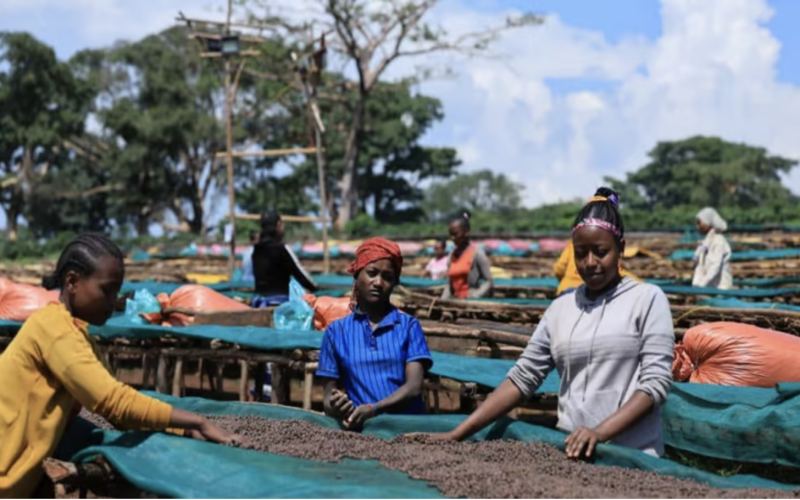
The grading system of Ethiopian coffee beans, the Yirgacheffe G1 and G2 grades.
We know that the grading method of coffee beans usually depends on the actual situation of the growing country, such as being divided according to the size of the coffee beans, like Kenyan coffee; being divided according to the altitude, like Blue Mo [more…]
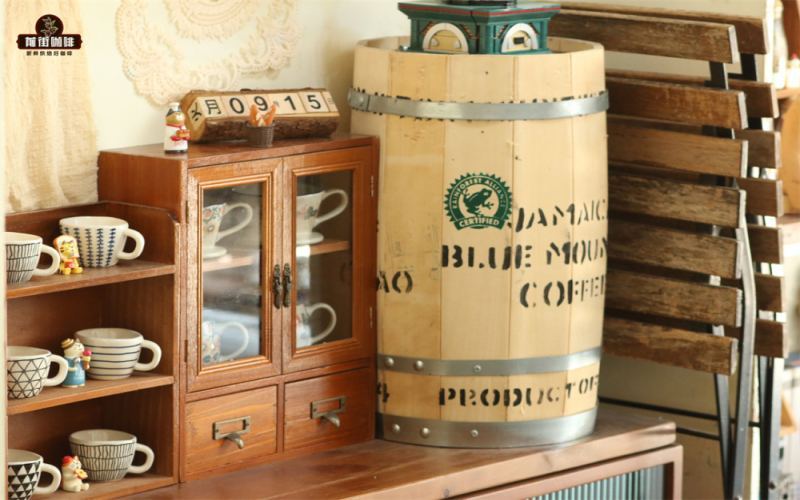
Why Are Arabica Coffee Bean Prices Staying So High? A Full Analysis of Specialty Bean Flavors and Grading Across Origins
Why are Arabica coffee beans priced higher? This article approaches the topic from plant taxonomy, analyzing the differences among the three major cultivated species—Arabica, Robusta, and Liberica—explaining why Arabica has superior flavor but weak disease resistance and is suited to high-altitude cultivation, and introducing one by one the varieties grown, processing methods, and grading standards of well-known origins such as Brazil, Colombia, Panama, Guatemala, Costa Rica, Jamaica, Ethiopia, Kenya, and Indonesia. At the same time, combined with Front Street Coffee's stores and bean list recommendations, it helps coffee enthusiasts understand the pricing logic of Arabica and how to choose. [more…]
A Beginner's Guide to Coffee Varieties: Arabica Coffee's Characteristics, Sub-varieties, and Major Global Producing Regions
In the world of coffee, Arabica and Robusta are the two most frequently mentioned varieties, and the former almost represents the mainstream direction of specialty coffee. This article starts from plant taxonomy to sort out Arabica's varietal characteristics, flavor advantages, and disease-resistance weaknesses, and introduces one by one the planting varieties, processing methods, and grading standards of representative origins such as Brazil, Colombia, Panama, Guatemala, Costa Rica, Jamaica, Ethiopia, Kenya, and Indonesia. At the same time, it combines Front Street Coffee's store selection and recommended bean list to help readers build a complete cognitive framework from variety to origin. [more…]

How to Choose Coffee Beans for Making Espresso? Analyzing the 12 Key Factors That Determine ESPRESSO Flavor
To make a satisfying espresso at home or in a café, choosing the right coffee beans is the first step. Drawing on Front Street Coffee's practical experience, this article first explains the logic of selecting espresso beans—why the roast level should not be too light, and the respective pros and cons of SOEs and blends—then introduces Front Street's four espresso blend options one by one, covering different needs such as economical everyday drinking, rich crema, classic specialty, and distinctive flavor profiles. The second half of the article systematically sorts out the twelve variables that affect espresso extraction, including dose, brew ratio, time, flow rate, pressure, and temperature, to help you further dial in the extraction to an ideal state after you have chosen your beans. [more…]
What grade does Arabica coffee belong to? A comprehensive analysis of major global origins and representative brands
Coffee belongs to the Rubiaceae family, with about eighty known species, of which three main categories are used for drinking: Arabica, Robusta, and Liberica. Arabica, with its balanced flavor and aroma, has become the mainstay of single-origin and specialty coffee, accounting for more than seventy percent of global production. From the nutty-chocolate notes of Brazil, to the citrus and dark cocoa of Colombia, and on to Panama Geisha, Jamaica Blue Mountain, and Ethiopia Yirgacheffe, each origin has its own distinctive flavor. Front Street Coffee stores carry coffee beans from more than fifty origins, and this article examines Arabica's grade positioning and the flavors of well-known origins around the world one by one. [more…]

An In-Depth Analysis of the Flavor and Origin Characteristics of Ethiopian Yirgacheffe Coffee, and the Green Bean Grading System
Africa, with its exceptional natural conditions, occupies a pivotal position in the global coffee landscape, and Ethiopia, as the universally recognized birthplace of coffee, is also Africa's largest producer of Arabica coffee. Among Ethiopia's many renowned production regions, Yirgacheffe stands out with its distinctive floral and citrus notes, becoming a focal point sought after by specialty coffee enthusiasts. This article will guide you through the terroir characteristics and geographic scope of the Yirgacheffe region, as well as Ethiopia's green bean grading system based on defect rates, while also introducing the Yirgacheffe product from Front Street Coffee's everyday drinking bean series, allowing you to experience the signature citric acidity of African coffee regions. [more…]
Arabica Coffee Bean Buying Guide: Variety Characteristics, Reasons for Higher Prices, and Analysis of Representative Global Producing Regions
Why has Arabica coffee bean become synonymous with specialty coffee, and why is its price consistently higher than Robusta? Starting from plant taxonomy, this article systematically reviews Arabica's flavor advantages and cultivation limitations, and one by one explains the varietal characteristics, processing methods, and grading standards of representative producing regions around the world such as Brazil, Colombia, Panama, and Ethiopia. The article also combines Front Street Coffee's store selection and recommended bean list to provide coffee enthusiasts with a reference that is both informative and practical. [more…]
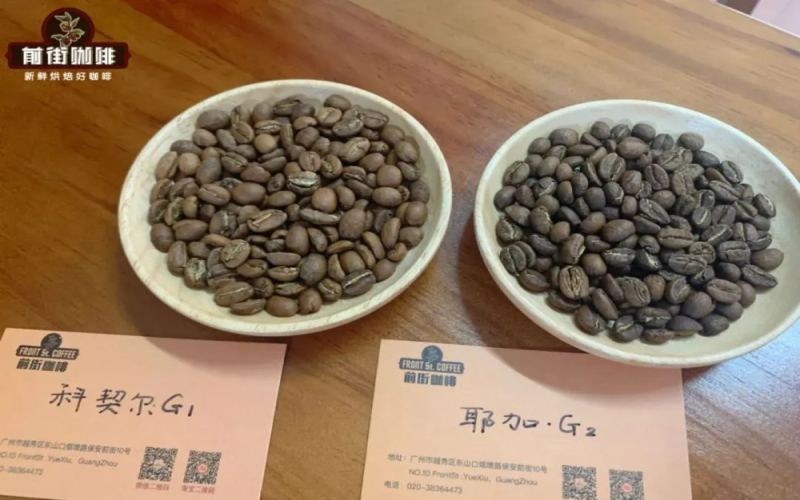
A Comprehensive Analysis of the Meaning of Ethiopian Coffee G1 and G2 Grades and the Evolution of Its Grading System
Ethiopia, as Africa's largest coffee producer and the widely recognized birthplace of coffee, often labels its coffee beans with grades G1 or G2. What exactly do these letter-and-number combinations represent? This article traces the historical evolution of Ethiopia's coffee grading system, from the early CLU system that classified purely by defect count, to the introduction of cupping score comprehensive rating after the establishment of the ECX in 2009, and finally to the latest revised export standards in 2022. You will learn about the differences between washed and natural processing in grading, as well as the distinction between Q1 and Q2 specialty grades and commercial and domestic coffee. The article also retains product information from the Front Street brand, making it suitable for every reader who loves Ethiopian coffee to read in depth. [more…]
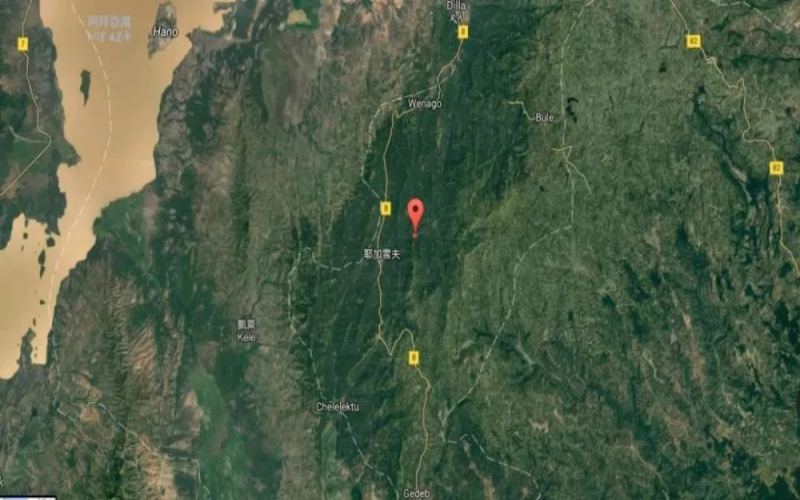
Explaining the Grading Differences Between Yirgacheffe G1 and G2: From Ethiopia's Defect Rate Standards to the New Cup Testing System
Yirgacheffe, as a representative coffee-producing region in Ethiopia, frequently has its G1 and G2 grades mentioned, but what exactly is the difference between the two? This article begins with the evolution of Ethiopia's coffee grading system, first introducing the old system based on defect rates, then explaining the new regulations after the ECX introduced cupping scores in 2009, and explaining why naturally processed beans can also obtain G1 and G2 grades. Subsequently, using washed Yirgacheffe as an example, it compares the actual differences between Front Street Coffee's Gutingding (G1) and Front Street Coffee's washed Yirgacheffe everyday beans (G2) in terms of green bean appearance, defect proportion, and brewed flavor, helping readers understand the quality implications behind the grades. [more…]
A Comprehensive Analysis of Coffee Bean Varieties: Arabica Variety Classification and Representative Beans from Major Global Origins
Coffee, as a plant of the Rubiaceae family, has over a hundred known species, but only three cultivated varieties are actually used for drinking: Arabica, Robusta, and Liberica. Among them, Arabica occupies about seventy percent of global production with its exceptional flavor and aroma, making it the top choice for single-origin and specialty coffee. From Ethiopia's native Typica and Bourbon to the Geisha that has swept the market today, Arabica subspecies are rich and diverse, each with its own characteristics. At the same time, origins such as Brazil, Colombia, Panama, Guatemala, Costa Rica, Jamaica, Ethiopia, Kenya, and Indonesia, by virtue of their unique terroir and processing methods, shape distinctly different coffee flavors. Front Street Coffee offers more than 50 different regional coffee beans in its stores, meeting diverse taste needs. This article will systematically sort out coffee variety classification, the advantages and disadvantages of Arabica, and representative global origins, taking you to gain a deeper understanding of the rich landscape of the coffee world. [more…]

Analyzing the Grade Difference Between Ethiopian Coffee Beans G1 and G2: A Case Study of Washed Yirgacheffe Beans
Ethiopia, as the genetic repository of Arabica, has a truly unique coffee bean grading system. Because there are so many varieties, most growing wild or semi-wild, coffee farmers often process them in mixed batches at harvest, making it difficult to grade by size. As a result, the Ethiopian government chose to use defect rate as the primary criterion. After the new ECX system was implemented in 2009, cupping scores were also incorporated into the rating system, finally giving natural-process beans a chance to rank among G1 and G2. So, for washed Yirgacheffe of the same origin, just how big is the difference between G1 and G2? Front Street Coffee takes Kochere G1 and a washed Yirgacheffe everyday drinking bean G2 as examples, comparing green bean appearance, defect rate, and cupping flavor to give you a closer look. [more…]
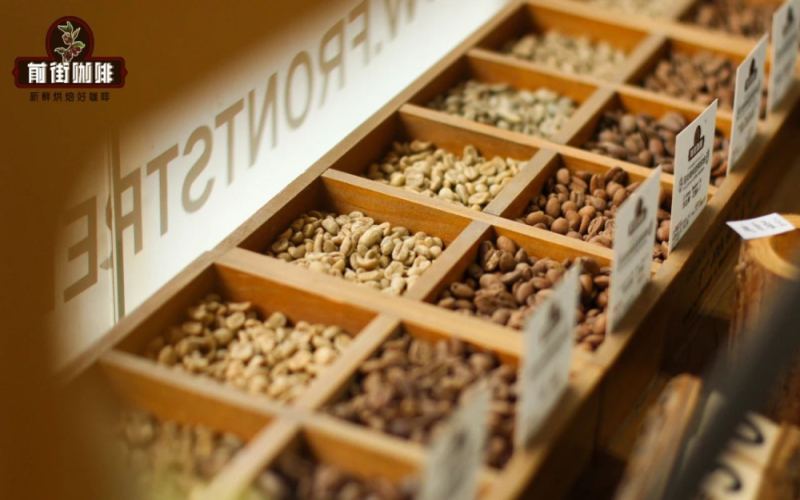
Does Ethiopian Natural Huakui G1 Represent the Highest Quality? Decoding the Meaning of the Hambella 7063 Batch Number
How exactly does Ethiopia's coffee grading system work? Is sun-dried Geisha G1 equivalent to the highest-quality coffee beans? What does the batch number Hambella 7063 represent? This article will systematically sort out Ethiopia's coffee grading standards, including the two major dimensions of cupping score and green bean defect rate, and deeply analyze the grading logic of the sun-dried processing method. At the same time, it will take you into Hambella, the Guji producing region and hometown of Geisha coffee, to learn about its geographical environment, farm operations, and the origin of its name. Finally, it includes Front Street Coffee's light-roast brewing parameters and three-stage extraction method for Geisha, helping you fully release the floral and fruity aromas of this bean. [more…]
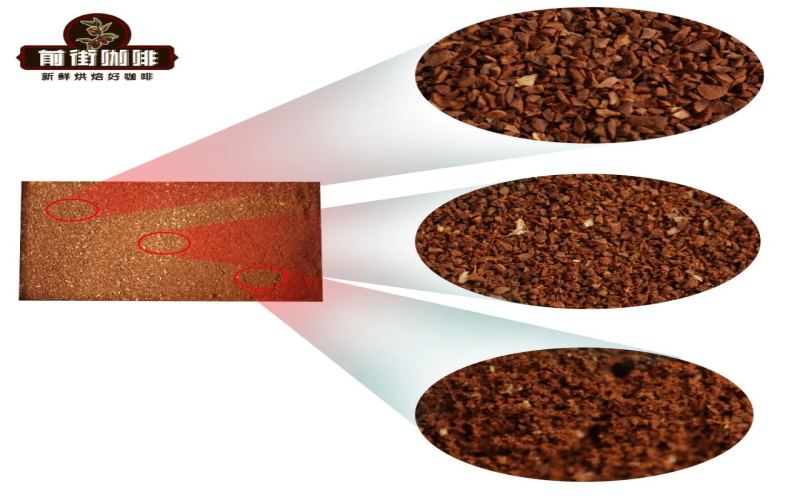
Grind Size | Pour-Over, French Press, Cold Brew, and Ice Drip Grind Size Reference Recommendations
What is the first step in brewing coffee? Grinding beans. In recent years, with the rise of the specialty coffee wave, more and more people have come to enjoy drinking coffee, and at the same time, more and more people hope to fully experience the beauty and leisure of drinking coffee, so they choose to buy coffee beans and brew them at home. And so at this point, a [more…]

Why Is Manner's Pay Raise Assessment Pass Rate So Low? Equipment Differences and Strict Standards Become Obstacles to Barista Raises
For many Manner baristas, the pay raise exam is the only path to a higher income, but the difficulty of this assessment is far beyond imagination. Manner stores are uniformly equipped with semi-automatic espresso machines, and examiners have standardized requirements for latte art, milk steaming, and grinder adjustment. As a brand focused on specialty coffee, it also adds a pour-over segment to the test. However, the actual pass rate is extremely low, with most candidates eliminated during the espresso operation stage. Unfamiliar store equipment, unfamiliar grinders, and nitpicky judging such as measuring milk foam thickness with a ruler make this exam seem impossibly hard. This article will restore the true face of the Manner pay raise exam and analyze the crux of why baristas fail repeatedly. [more…]
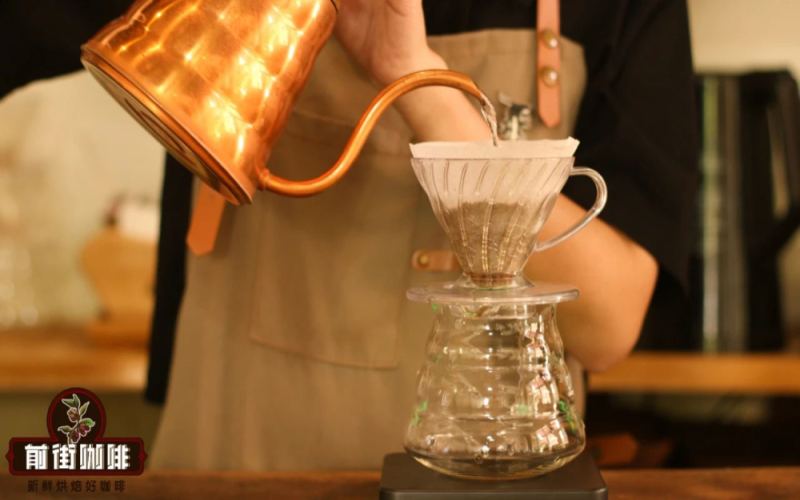
How to Make Pour-Over Coffee for Two | How Should the Coffee-to-Water Ratio for Pour-Over Coffee Be Allocated? What Coffee Strength Does the SCAA (Specialty Coffee Association of America) Recommend?
With the development of the specialty coffee market, single-origin coffee is increasingly recognized by the public, so many coffee enthusiasts are teaching themselves how to brew pour-over coffee at home. As a result, coffee-loving friends often ask, when buying coffee beans at Front Street Coffee, how the coffee-to-water ratio for pour-over coffee should be determined. So in this next article, Front Street [more…]
Arabica Coffee Bean Buying Guide: Major Origin Brand Recommendations and the Deep Reasons Why Prices Are Higher Than Robusta
Why are Arabica coffee beans generally more expensive than Robusta? Which Arabica origins around the world are worth paying attention to? Starting from plant taxonomy, this article systematically sorts out Arabica's flavor advantages and cultivation shortcomings, and introduces one by one the variety characteristics, processing methods, and grading standards of core producing regions such as Brazil, Colombia, Panama, Guatemala, Costa Rica, Jamaica, Ethiopia, Kenya, and Indonesia. At the same time, drawing on the store selection experience of Front Street Coffee, it provides coffee lovers with a complete cognitive framework from producing region to cup, helping you find the one that suits your taste among a dazzling array of bean lists. [more…]